Health stories / Plant protein
What are the benefits of grain protein? Make your diet more complete
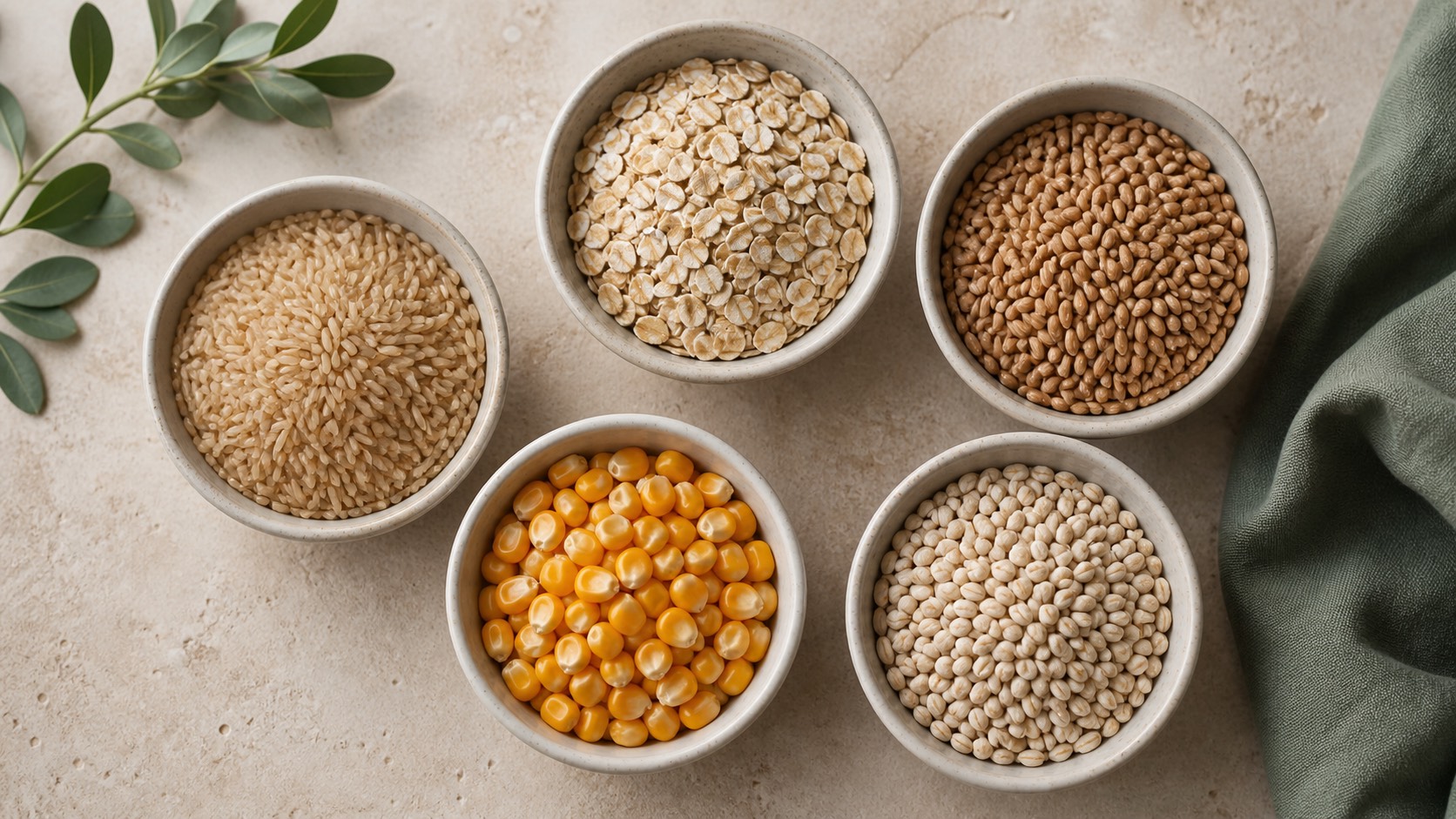
Grains provide energy and protein in the same meal.
Rice, oats and wheat contain protein too. As part of a meal, they provide both energy from carbohydrates and plant protein.
Protein from food is broken down into small building blocks called amino acids. The body uses them to build and repair cells, giving protein an important role in everyday life.
Grains are a familiar starting point for more plant variety, fitting into existing meals such as rice soup, steamed rice, congee and bread.
- Rice — a staple in familiar meals
- Oats — prepare for breakfast or porridge
- Wheat — found in bread and noodles
- Corn — boil it or add it to a variety of dishes
- Barley — add to soups or grain dishes
References: PubMed Central · MedlinePlus, U.S. National Library of Medicine
Whole grains offer more than energy.
Whole grains retain all the main parts of the grain. They provide protein, carbohydrates, fibre, vitamins and minerals, adding a range of nutrients to familiar meals.
WHO recommends getting most carbohydrates from whole grains, vegetables, fruit and pulses. Grain examples include brown rice, oats and whole wheat.
- Brown rice — alternate with your usual rice
- Oats — for savoury or sweet breakfasts
- Wholemeal bread — for easy-to-prepare meals
- Barley — bring variety to soups
- A variety of grains — rotate them in dishes you enjoy.
Ingredients processed to increase their protein proportion are called protein concentrates or isolates. Whole grains provide several nutrient groups together, so you can choose according to what you want from that meal.
References: PubMed Central · WHO: healthy diet
Varied plant proteins for more complete meals
Essential amino acids are protein building blocks the body needs to obtain from food. Rotating plant protein sources such as grains, beans and tofu adds variety to the amino acids in your meals.
Look at your intake across the day without having to combine everything in one meal. Start by adding another protein source to a favourite dish, then vary your foods at the next meal.
- Brown rice with tofu and stir-fried vegetables
- Oats with soy milk
- Wholemeal bread with mashed beans
- Corn with lentil soup
- Alternate plant and animal protein sources according to your chosen eating pattern
Explore what the body uses next in What is protein? then choose protein sources that fit your meals and preferences
References: MedlinePlus, U.S. National Library of Medicine · WHO: healthy diet
From protein on your plate to components your body uses
During digestion, the body separates proteins into amino acids, like taking something apart before reassembling the pieces into proteins with different jobs.
Getting enough protein supports both the body's structure and its functions, from muscles and cells to enzymes and certain hormones.
- Cells — use protein for building and repair.
- Muscle — protein is a key component
- Enzymes — Many proteins help reactions take place in the body.
- Some hormones — Made from proteins or amino acids.
- Growth — requires an appropriate amount of dietary protein.
References: MedlinePlus, U.S. National Library of Medicine · WHO: healthy diet · PubMed Central
Bring more value to familiar meals, starting today.
Choose one meal you can prepare yourself, then add whole grains and a protein source you enjoy. Starting with familiar dishes makes meal planning easier.
- Choose brown rice or whole grains you enjoy
- Add beans, tofu, eggs, fish or meat according to your dietary pattern.
- Add vegetables for a more varied meal.
- Prepare simple meals you can repeat on busy working days.
- Rotate ingredients each day for flavour and variety
For packaged foods, use How to read Thai nutrition labels to choose ingredients and portions that suit your meals.
Explore more options in Plant protein and animal protein to enjoy a variety of meals to suit your preferences
References: WHO: healthy diet · MedlinePlus, U.S. National Library of Medicine · Thai FDA: ingredients on labels
Choose something sustainable that fits your life
Grain protein is found in foods that can be prepared in many ways. Eating them alongside varied protein sources and other foods helps you meet everyday nutritional needs.
Start with meals you enjoy and ingredients that are easy to find, then plan preparation around working days or days at home.
- Protein forms part of the meal.
- Energy comes from carbohydrates in grains.
- Choose whole grains for fibre too
- Eat a variety of plants for a wider range of nutrients.
- Choose foods you enjoy and can realistically prepare
This article explains the general nutritional value of plant foods and protein. When choosing a product, also look at its ingredients, amounts and supporting evidence to understand which benefits are supported.
Interested in grain and soy protein in capsules? Use the button below to explore the Pro Cap formula, protein test results and pack options, or contact the GENISÉ team through the website.
References: PubMed Central · WHO: healthy diet
Frequently asked questions
- What do grains provide besides protein?
- Grains also provide carbohydrates for energy. Whole grains supply fibre, vitamins and minerals together, broadening the nutrients in a meal.
- How can you eat a variety of plant proteins?
- Alternate grains with beans, tofu and other protein sources you enjoy, such as rice with tofu or oats with soy milk, considering variety across the day.
- How does the body use dietary protein?
- The body breaks protein down into small building blocks called amino acids. It uses them to build and repair cells and to make components of muscles, enzymes and certain hormones.
References
- PubMed Central — Proteins from Legumes, Cereals, and Pseudo-Cereals
- World Health Organization — Protein and Amino Acid Requirements in Human Nutrition
- PubMed Central — Protein Digestibility of Cereal Products
- Thai FDA Food Division — Requirements for declaring key ingredients
- MedlinePlus, U.S. National Library of Medicine — Protein in diet
- World Health Organization — Healthy diet